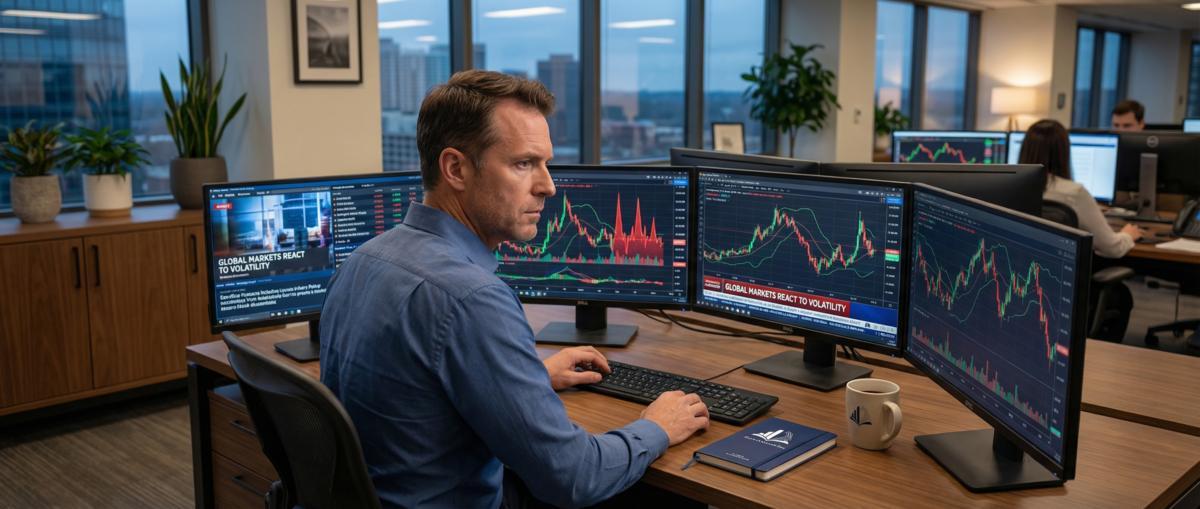
Imagine trying to keep your eyes steady during a hurricane of breaking news and market chaos. That’s what trading during high volatility news events feels like for many. The market’s unpredictability can make you lose focus fast, and emotional reactions often lead to costly mistakes.
Studies show that roughly 70% of novice traders fail during these events due to poor preparation and emotional turmoil. That’s why how to stay focused during high volatility news events is critical. Mastering focus can turn potential turmoil into a powerful opportunity.
Many advice guides simply urge traders to “stay calm” or “stick to plans” without digging deeper into practical tactics. This surface-level insight leaves traders vulnerable to impulse and confusion rather than giving them a real edge.
This article walks you through a comprehensive, evidence-based approach to keeping sharp when the market roars. From perfect preparation to risk control, you’ll get practical steps to stay centered and make confident decisions.
Understanding high volatility news events
High volatility news events cause sudden market swings. These swings happen when unexpected news or economic data changes what investors expect. Understanding what triggers this volatility helps traders stay calm and focused.
What causes high volatility in markets?
High volatility happens mostly because of surprises in important information. When news changes what people think about the economy or policies, many start buying or selling fast. This sudden action makes prices jump up and down quickly.
Key causes include economic data releases, like reports on jobs or inflation. Central bank decisions on interest rates can also cause big moves. Other drivers are geopolitical events, such as wars or elections, and fears of a recession that shake confidence.
Examples of key economic releases that drive volatility
Some economic reports create the biggest market moves. The U.S. monthly Non-Farm Payrolls report, which shows job numbers, often causes strong reactions, especially if you are with prop firms allowing news trading if it surprises traders.
The Consumer Price Index shows how prices change over time and signals inflation trends that affect interest rate decisions. GDP reports reveal how fast the economy grows, changing traders’ views.
Federal Reserve interest rate decisions from meetings can shift market direction quickly. Also, surveys that measure business activity, like the ISM Manufacturing index, can hint at economic health and nudge markets.
The psychology behind losing focus during volatile news
Volatile news makes it really hard to stay focused. Emotional swings and mental shortcuts often cause us to lose control, leading to bad decisions. Understanding these forces helps us trade smarter.
Emotional impacts: fear and greed
Fear and greed are the main emotions that shake traders during volatile news. Fear makes people panic sell or hold on too long, hoping prices bounce back. Greed pushes traders to jump in too fast, chasing profits and risking too much.
Studies show fear makes negative feelings stick longer and spreads on social media, which keeps the panic alive. Greed leads to FOMO (fear of missing out), causing risky bets and overtrading. and overtrading.
Common cognitive biases affecting traders
Several mental traps make it harder to focus under pressure. Traders tend to look for info that confirms their beliefs (confirmation bias), get overconfident after wins, or follow the crowd (herd behavior).
Loss aversion makes losses hurt more than gains feel good, so traders hold losing trades too long or react too strongly. Relying too much on recent news patterns (representativeness) also misleads decision-making.
How to prepare before volatility hits
Being ready before volatility hits keeps you in control. Preparation means knowing what’s coming and having a clear plan. This helps you avoid panic and make smart moves.
Using economic calendars effectively
Economic calendars are your roadmap to market-moving events. They list key dates like jobs reports or central bank meetings that can shake markets. Checking them regularly lets you spot upcoming risks.
Traders use calendars to plan when to enter or exit trades and set alerts for important news. This way, surprises are less likely to catch you off guard.
Scenario planning and setting rules upfront
Planning scenarios before volatility lets you act without emotion. Decide your entry points, exit targets, and stop-loss limits ahead of time.
Setting clear rules keeps you disciplined. For example, you might plan to reduce position size or stay out entirely during major events. This foresight reduces stress and prevents rash decisions.
Techniques to manage risk during volatility
Managing risk tightly during volatile times protects your trading capital. The right strategies help you survive swings without big losses.
Position sizing and stop-loss placement
Position sizing means controlling how much you risk on any trade. Keeping position sizes small during volatility limits losses if the market jumps against you.
Stop-loss orders automatically close trades at preset points. Placing stops around key support or liquidity zones prevents big unexpected losses during wild moves, especially when using a prop firm instant account.
Hedging strategies to mitigate risk
Hedging means opening trades that offset your main positions. It lowers risk by balancing potential losses with gains elsewhere.
Common hedging examples include trading options or opening opposite positions in correlated assets. Traders use hedging to stay in the game when markets move fast and unpredictably.
Waiting out the initial volatility spike
The first moments after news hits are the most chaotic. Prices swing wildly as traders react quickly and then rethink their moves. Knowing this helps you avoid costly mistakes by waiting it out.
Why the first 15 minutes are chaotic
The first 15 minutes see the biggest and fastest price swings. This happens because many traders enter or exit positions all at once, causing volatility spikes.
Liquidity is low and spreads widen, so orders can slip and cause unexpected losses. Experts say patience during this time avoids emotional traps.
When to enter the market safely after news
Waiting for the initial chaos to calm before trading is key. Once the price settles into a clear trend or range, you can enter with less risk.
Traders often watch for confirmed support or resistance levels and use technical signals after the first spike fades. This strategy helps avoid slippage and stop loss triggers during wild swings.
Maintaining discipline and emotional control
Discipline and emotional control are your best tools during volatile markets. Staying calm helps you follow your strategy, not your feelings.
Ignoring media noise
Ignore the constant media chatter around volatile events. Headlines and social media often exaggerate risks, stirring fear and doubt.
Successful traders focus on their own research and plans, filtering out noise that causes distraction and emotional trading mistakes.
Focusing on long-term trading goals
Keep your eyes on your long-term goals to avoid knee-jerk reactions. Market swings are normal, but your overall plan should guide decisions, not daily headlines.
Persistent discipline, backed by clear goals, improves your chances of steady success despite short-term chaos.
Tools and indicators for focus during news
Using the right tools helps you keep focus during news-driven market moves. They guide your decisions and reduce guesswork in volatile times.
Using liquidity zones and support resistance
Liquidity zones and support/resistance levels show where price might stop or reverse. Traders watch these areas to pick good entry and exit points during news spikes. during news spikes.
These zones act like invisible walls or magnets, guiding price flow. Knowing them reduces surprises and helps you stay steady even when markets jump.
Alerts and technology aids
Alerts notify you instantly about key market moves or news releases. Technology tools can track multiple assets and send signals, so you don’t miss important moments.
Using customizable alerts on your trading platform or phone keeps you informed without needing to stare at screens constantly. This balance improves focus and timing.
Adjusting positions and trading strategies dynamically
Adjusting your trades and strategies quickly helps you handle market changes better. Being flexible keeps you safer during fast moves.
Proactive position adjustment
Proactive adjustment means changing your trade size or positions before things get wild. You might shrink your position or hedge to lower risk ahead of big news. ahead of big news.
This approach helps you avoid big losses from sudden spikes or spreads widening during volatile periods.
Choosing event-tied currency pairs
Trading pairs closely linked to the event can give clearer moves and better opportunities. For example, USD pairs show big moves during U.S. jobs reports or Fed decisions.
Focusing on these pairs reduces guesswork and limits exposure to unrelated market noise.
Common mistakes and how to avoid them
Making mistakes during volatile markets can cost you big. Knowing the common errors helps you trade smarter and safer.
Overtrading and impulsivity
Overtrading means placing too many trades too fast. It happens when emotions take over, leading to impulsive decisions.
This increases transaction costs and risk, often wiping out profits. Experts warn that patience and discipline beat constant action.
Ignoring risk management rules
Skipping risk rules like stop-losses is a costly mistake. Without limits, losses can spiral during swift moves.
Strong risk management includes setting stops and controlling position sizes. It protects your account and keeps you in the game long term.
Conclusion: mastering focus in volatility
Mastering focus during volatile markets is about preparation, discipline, and smart strategies. Traders who plan ahead and control emotions perform better under pressure.
Using tools like economic calendars and setting clear rules helps reduce surprises. Staying calm and ignoring media noise prevents impulsive decisions that cause losses.
Risk management techniques like position sizing and stop-loss placement protect your capital. Adjusting trades dynamically and choosing the right currency pairs increase chances of success.
Remember, volatility is a chance to grow if you stay focused and stick to your plan consistently.
Key Takeaways
Discover the most effective strategies to stay focused and trade wisely during high volatility news events.
- Prepare with economic calendars: Track key events like jobs reports and Fed meetings to anticipate market moves and reduce surprises.
- Set clear trading rules upfront: Define entry, exit, and stop-loss points beforehand to keep emotions in check during turbulence.
- Manage emotions like fear and greed: Recognize these emotions to avoid impulsive trades and maintain rational decision-making.
- Use risk management tools: Apply position sizing and stop-loss orders to protect capital during wild price swings.
- Wait out the initial spike: Avoid trading in the first 15 minutes of news to reduce slippage and emotional decisions.
- Leverage technical tools: Use liquidity zones, support/resistance levels, and alerts to identify sturdy trade points and stay alert without stress.
- Adjust trades proactively: Modify position sizes or hedge dynamically based on event impact forecasts to manage risk better.
- Focus on event-related pairs: Trade currency pairs linked directly to the news for clearer, more predictable moves.
Consistent preparation, discipline, and smart strategy application transform market volatility from a risk to a powerful opportunity.
FAQ – How to Stay Focused During High Volatility News Events
Why do I feel anxious watching news during volatility, and how can I stop?
News media amplifies fear to attract viewers, triggering emotional reactions that lead to poor decisions. Tune out the noise by turning off news alerts and letting a financial advisor handle monitoring, allowing you to focus on daily life and long-term goals.
Should I try to predict or react to market movements?
No—markets are unpredictable short-term, and timing them often results in missed rebounds. Maintain a long-term perspective, viewing volatility as temporary noise while focusing on investing as a marathon.
What role does my financial plan play?
A solid, goal-based plan acts as an anchor outlining your risk tolerance and strategy, preventing second-guessing during headline shocks. Review and stick to it, looking at long-term charts and avoiding changes unless fundamentals shift.
How do I focus on what I can control?
Control your reactions by emphasizing savings rate, spending habits, diversification, and portfolio rebalancing over market direction. Practical steps include increasing savings, delaying big purchases, or reducing discretionary spending to stay on track.
When should I seek professional help?
Advisors provide discipline and perspective during emotional pressure, helping avoid impulse mistakes like panic selling. They focus on facts, recovery patterns, and your plan, not politics or hype.
What are key strategies to stay disciplined?
Stay informed but don’t overreact to short-term moves, build emergency funds, avoid relying solely on risky investments, and leverage history’s lesson that markets recover with patience.