 ITA
ITAMarkets Week: Oil Surge Fuels Inflation Fears (May 19-23, 2026)
Global markets faced oil-driven inflation fears as WTI crude surged 10.5% above $100/barrel. U.S. yields jumped to 4.60%, and market breadth deteriorated sharply.
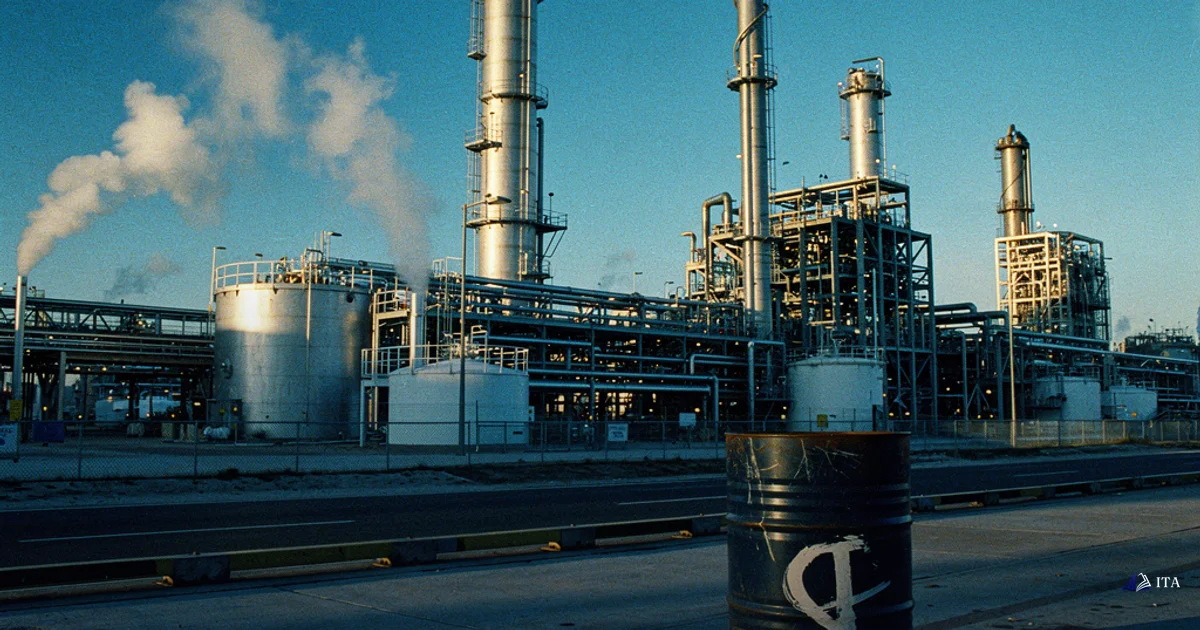
Data sourced from market data providers. Chart shows recent price action for educational purposes only. Past performance does not indicate future results.
| Asset | Price | 24h Change | |
|---|---|---|---|
| S&P 500 (SPY) | $745.59 | +0.39% | ▲ |
| XAU/USD (Gold) | $4505.67 | -0.07% | ▼ |
| EUR/USD | 1.16024 | -0.01% | ▼ |
Headline Snapshot
Markets week in review shows oil's 10.5% surge last week while the S&P 500 barely moved. The disconnect reveals critical market dynamics.
WTI crude punched back above $100/barrel on Iran supply fears. The move sent the 10-year Treasury yield from 4.37% to 4.60% in five trading days. The 30-year crossed 5% again, creating a classic stagflation setup. This combination typically craters equities.
Except it didn't. The S&P 500 gained 0.13%. The numbers tell the story.
Key Moves
But the headline missed the real story. Beneath that calm surface, violent rotation was underway.
The equal-weight S&P underperformed by 130 basis points. Small caps dropped 2.3%. Gold fell 3%. Bitcoin traded heavy near $77,000 as ETF flows reversed.
The entire market wasn't rising. Just five names were. Nvidia and Amazon absorbed every dollar fleeing rate-sensitive sectors. Market breadth hit levels typically seen in corrections. Yet indices hovered at records.
This wasn't resilience. It was concentration.
Sector Performance Breakdown:
- Technology mega-caps: +2.1%
- Small-cap Russell 2000: -2.3%
- Energy sector: +8.7%
- Financials: -1.4%
- Real estate: -3.2%
Context and Catalysts
European markets actually outperformed, with the DAX up 1.5% as energy names rallied. Asian equities split differently. Japan fell 1% on yield fears while Korea edged higher. The divergence mapped perfectly to each market's tech weighting.
The bond market sent the clearest signal. Weak Treasury auctions met hot inflation data. Add $100 oil to the mix. This toxic combination pushed traders to price in "higher for longer" through 2027. The Fed's next move is now a 2026 problem.
Watch the Russell 2000. When small caps diverge this sharply from large caps, it rarely stays sustainable. Either breadth improves or the generals fall. History suggests the latter outcome.

What to Watch
The VIX drifted lower even as correlations broke down. That's not complacency. It's rotation disguised as calm.
Next week brings PCE data and month-end rebalancing. If oil holds above $100 and yields keep climbing, the megacap shields will be tested.
The market's message remains clear. Concentration works until it doesn't.

Disclaimer
This content is for informational and educational purposes only. It does not constitute educational content, an offer or solicitation to buy or sell any security, or a recommendation of any kind. ITA provides simulated trading evaluation services, challenge fees are for access to evaluation environments, not investments or deposits.
All trading in evaluation environments is conducted in simulated accounts. Past results do not guarantee future outcomes. Trading involves substantial risk of loss. Only trade with capital you can afford to lose.
For those interested in testing institutional trading methodologies with simulated capital, explore ITA's instant account program.
Levels shown reflect recent price range and moving averages for informational purposes only. Not financial advice.
Ready to get funded?
50% off instant accounts with code 50CRYPTO.
Get Funded →Frequently Asked Questions
Why did oil prices spike above $100 per barrel in mid-May 2026, and how did that affect global markets?
Oil prices surged 10.5% due to Iran supply concerns and Strait of Hormuz shipping risks, pushing WTI crude back above $100/barrel. This triggered inflation fears, driving the 10-year Treasury yield from 4.37% to 4.60% and pressuring rate-sensitive sectors like small caps, which fell 2.3% for the week.
Why did the S&P 500 hold near record highs even as market breadth weakened in the week of May 19-23, 2026?
The S&P 500's 0.13% gain masked severe internal weakness driven by concentration in megacap tech stocks like Nvidia and Amazon. The equal-weight S&P underperformed by 130 basis points, indicating that most stocks declined while a handful of large names provided all the index support.
What factors drove gold prices lower in May 2026 despite ongoing geopolitical risk?
Gold fell 3% as higher real yields and a stronger dollar reduced its appeal as a safe haven. The 10-year Treasury yield jumping to 4.60% and the 30-year crossing 5% made interest-bearing assets more attractive than non-yielding gold, outweighing geopolitical tensions around Iran.
How are investors interpreting the Federal Reserve's 'higher for longer' stance after the April 2026 CPI data?
Markets repriced Fed policy expectations after hot April CPI data and weak Treasury auctions, pushing rate cut expectations into 2027. The bond market's violent reaction suggests investors now view persistent inflation as a structural problem requiring extended monetary tightness rather than a temporary phenomenon.
What does the underperformance of the equal-weight S&P 500 versus the cap-weighted index signal about market health?
The 130 basis point underperformance indicates dangerous market concentration where index gains depend on a shrinking number of megacap stocks. This divergence typically signals either an imminent breadth improvement or a correction in the large-cap leaders that have been masking underlying weakness.

Start Your Trading Evaluation
Simulated funded accounts up to $400K. Up to 95% profit split.
Get Funded