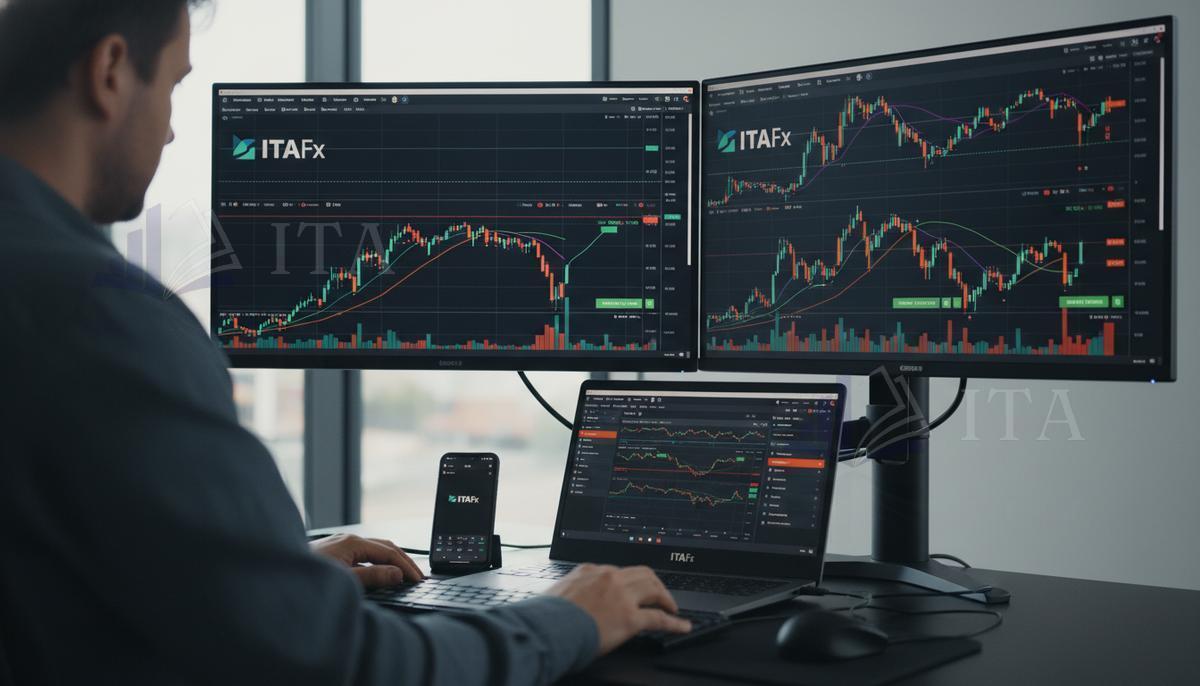
Imagine your trading capital as a growing garden: if you carelessly plant seeds everywhere without planning or protection, you risk losing your entire crop to unforeseen storms. Trading capital growth is very similar; without a carefully crafted strategy, your investment can quickly wilt under market volatility.
Studies suggest that disciplined trading strategies, especially those emphasizing risk management and strategic reinvestment, can deliver steady capital growth ranging from 15% to 40% annually. This reveals why mastering Trading Capital Growth Strategies is key for both new and experienced traders aiming for long-term success.
Many traders fall into the trap of chasing rapid profits without controlling risk or reinvesting wisely. This often leads to burnout, large losses, or stagnating capital. Quick fixes seldom create lasting results in such a complex environment.
This article provides a comprehensive guide to advanced, practical techniques for growing your capital while managing risk effectively. You’ll discover how to set realistic goals, use proven tools, and adapt your approach to changing market conditions, all framed within a sustainable, evidence-backed strategy.
Understanding the basics of trading capital growth
Growing your trading capital is like building a strong foundation for a house. It takes the right tools, smart choices, and steady progress to make it last.Understanding the basics of trading capital growth is the first step toward success in trading.
Key components of capital growth
The key elements of capital growth include a profitable system, correct position sizing, and smart reinvestment. A system with a positive expectancy means your wins outweigh losses over time. Good growth also needs diversification across 3-5 uncorrelated assets. Successful traders often reinvest 50-75% of their profits to grow their capital faster through compounding.
For example, increasing your win rate from 40% to 45% can raise returns significantly. This shows how important it is to fine-tune your system and manage risk well.
Why risk management is crucial
Risk management protects your capital and supports steady growth. Most pros recommend risking only 1-2% of your capital per trade. Maintaining a risk-reward ratio of at least 1:2 or 1:3 helps balance potential losses and gains.
Setting strict stop-loss orders and max drawdown limits, like 5-10%, prevents big losses that can wipe out progress. For example, with $150,000 capital, risking 1% means you lose no more than $1,500 on a trade.
Setting realistic profit goals
Goal-setting helps keep your trading plans realistic and achievable. Targeting a monthly return of 2-5% supports long-term growth without risking too much.
Breaking goals into smaller milestones and tracking them helps avoid burnout. Reinvesting about half your profits can yield 15-25% annual growth, while reinvesting 75% can push this up to 40%.
The key is discipline. Traders with written plans often do better than those who just hope for the best.
Effective risk management techniques
Managing risk effectively is like using a safety net when walking a tightrope. It helps protect your capital and keeps you trading longer.Effective risk management techniques are vital to preserve funds and maximize profit potential in trading.
Position sizing strategies
The best position sizing strategy is to risk only 1-2% of your total capital per trade. For example, if you have a $10,000 account, you should never lose more than $100-$200 on one trade. This tiny slice of risk protects you from a single big loss that could wipe out your account.
Using calculators and backtesting can help you find the right size for each trade. Mark Douglas, a trading legend, advises small, consistent risks to avoid catastrophic losses.
Stop-loss and take-profit use
Stop-loss orders are essential to limit losses at predefined levels. Pair them with trailing stops to lock in profits as the trade moves your way. Aim for a risk-reward ratio of around 1:3, meaning you risk $1 to potentially gain $3.
For instance, entering a trade on a moving average crossover, placing your stop just below support, and your take-profit near resistance levels can automate exits and remove emotional decisions. Backtesting these levels ensures they fit your strategy well.
Adapting risk to market conditions
Adjusting risk based on market volatility keeps your capital safer. For example, during the 2020 COVID crash, traders shifted from risky stocks to safer sectors like technology. Using tools like the Average True Range (ATR) helps size positions according to current volatility.
Regularly reviewing your portfolio and adjusting stop-losses or position sizes helps you stay flexible. Accepting that markets change and embracing uncertainty is key to effective risk management.
Strategic reinvestment for compounding growth
Reinvesting profits strategically is like watering a plant regularly—it helps your capital grow faster and stronger. Strategic reinvestment for compounding growth is a powerful way to boost your trading account over time.
How much profit to reinvest
Experts suggest reinvesting about 50-75% of your profits to maximize growth while keeping some cash flow for flexibility.
For example, reinvesting 75% of profits can increase capital by up to 40% per year. This balance lets you grow steadily without risking everything.
Balancing reinvestment with withdrawal
Keeping enough cash for living expenses or emergencies is important to avoid stress.
Many traders withdraw a part of their profits monthly or quarterly while putting the rest back into their accounts. This balance helps maintain discipline and avoid burnout.
Compounding principles in trading
Compounding means earning returns on your returns over time. By consistently adding profits back, your capital grows exponentially.
However, maintaining discipline and controlling losses is key to avoid large setbacks that disrupt the compounding process.
Portfolio diversification and its role
Portfolio diversification is like not putting all your eggs in one basket. It helps protect your capital by spreading risk across different investments.Portfolio diversification and its role are essential for stable trading success and minimizing losses.
Benefits of diversification
The main benefit of diversification is risk reduction. By spreading your investments across various assets, you reduce the impact of one asset’s poor performance on your whole portfolio.
Studies show diversified portfolios tend to have smoother returns and less volatility. Diversification also helps capture growth in different market conditions.
Choosing uncorrelated asset classes
Selecting uncorrelated assets means picking investments that do not move together. For example, stocks and bonds often react differently to market events, balancing each other out.
Experts recommend holding assets from at least 3 to 5 uncorrelated classes to improve stability. Adding commodities or real estate can further reduce risk.
Managing multiple asset exposures
Managing multiple assets requires regular review and adjustment of allocations. Avoid overconcentration in any single asset or sector.
Rebalancing your portfolio to maintain target allocation helps keep risk levels consistent. Tools and platforms like ITAfx can help monitor and manage exposures easily.
Systematic trading approaches and indicators
Developing a reliable trading method means being systematic and disciplined. Systematic trading approaches and indicators help reduce guesswork and improve decision-making in volatile markets.
Using moving averages strategically
Moving averages smooth out price data to reveal trends. They are often used to spot entry and exit points, especially through crossovers like the popular 50/200-day.
Traders use moving averages to confirm trend direction and avoid false signals. Combining short-term and long-term averages can improve trade timing and increase potential profits.
ATR and volatility-based risk budgeting
The Average True Range (ATR) measures market volatility. Using ATR helps size positions and set stops according to how much the price moves.
Volatility-based risk budgeting adjusts your exposure dynamically. For example, when ATR rises, it signals higher risk and suggests smaller position sizes to protect capital.
Removing emotional bias from trading
Systematic rules help remove emotions like fear and greed. Trading plans with fixed entries, exits, and risk limits keep decisions consistent.
By following rules instead of gut feelings, traders avoid impulsive actions that can lead to large losses. Automating parts of trading through platforms like ITAfx can further reduce bias.
Adaptive capital management in volatile markets
In volatile markets, a flexible approach to managing your trading capital is essential for survival and growth. Adaptive capital management in volatile markets helps you adjust risks according to changing conditions to protect profits and limit losses.
Scaling positions during volatility
Scaling down positions when volatility rises helps manage risk effectively. This means reducing trade size to avoid big losses during unstable periods.
For instance, if the market suddenly becomes choppy, cutting your position size can protect your capital. Some traders use technical tools to guide these adjustments dynamically.
Market condition assessments
Regularly assessing market conditions is key to informed trading decisions. Traders analyze volatility indicators, price momentum, and macroeconomic news to judge risk levels.
During the 2020 market crash, many switched to safer assets as volatility spiked. Staying aware lets you avoid market traps and spot opportunities.
Dynamic risk adjustment techniques
Dynamic risk adjustment means changing your risk limits based on real-time data. Using measures like Average True Range (ATR) allows you to set stops and position sizes that match current market moves.
This approach avoids fixed rules that ignore market changes. Adapting risk keeps losses small while allowing for profit during calm periods.
Conclusion: building a sustainable trading capital growth plan
Building a sustainable trading capital growth plan revolves around disciplined risk management, realistic goal setting, and continuous adaptation. This foundation is essential to protect your capital and foster long-term growth in unpredictable markets.
Research shows traders who risk only 1-2% per trade and reinvest 50-75% of profits see steady returns while avoiding large losses. Writing a clear, flexible plan helps maintain focus, reducing emotional decisions that often lead to costly mistakes.
Examples from successful traders emphasize the importance of portfolio diversification and systematic strategies that use technical indicators for consistent entries and exits. Platforms like ITAfx provide tools to track and adjust your plan dynamically.
Ultimately, sustainable growth requires patience and discipline; small, consistent gains compound into significant wealth over time. Staying informed and adapting risk as markets change keeps your capital secure and positioned for steady expansion.
Key Takeaways
Discover the most effective strategies to sustainably grow your trading capital through disciplined practices and adaptive techniques.
- Disciplined Risk Management: Limit risk to 1-2% per trade and use stop-loss orders to protect your capital from large losses.
- Strategic Position Sizing: Adjust trade sizes based on account balance and market volatility to maximize growth while minimizing risk.
- Profit Reinvestment: Reinvest 50-75% of profits to harness compounding growth, balancing reinvestment with necessary withdrawals.
- Portfolio Diversification: Spread investments across 3-5 uncorrelated asset classes to reduce volatility and stabilize returns.
- Systematic Trading Approaches: Use technical indicators like moving averages and ATR to create rules-based entry and exit strategies, reducing emotional bias.
- Adaptive Capital Management: Dynamically adjust risk exposure and position sizes according to changing market conditions and volatility.
- Realistic Profit Goals: Aim for steady monthly returns of 2-5% to support long-term capital growth without excessive risk.
- Continuous Assessment and Discipline: Regularly review your strategies and maintain written plans to stay consistent and adapt effectively.
Consistent application of these principles, combined with patience, is key to achieving lasting and sustainable trading capital growth.
FAQ – Trading Capital Growth Strategies
What is a trading capital growth strategy?
A trading capital growth strategy is a rules-based approach that prioritizes assets with higher expected returns. It includes position sizing, risk controls, and technical indicators like moving averages and momentum to time trades effectively. The focus is on long-term price appreciation often through diversified allocations across stocks, bonds, and cash.
How do I effectively grow my trading capital?
To effectively grow your trading capital, limit risk to 1-2% of total capital per trade, maintain cash reserves for flexibility, use position sizing based on your account balance, and target risk-reward ratios of 1:2 or higher. Diversify your assets and adjust strategies based on volatility using tools like ATR for steady compounding returns.
What are the best practices for position sizing and risk management?
Best practices include using a fixed fractional method where you risk a certain percentage per trade, always setting stop-loss orders at technical levels, diversifying through correlation analysis and sector limits, keeping separate accounts for trading, reserve, and emergencies, and regularly reviewing performance and drawdowns.
What are common mistakes in managing trading capital?
Common mistakes include excessive position sizing beyond recommended limits, neglecting stop-loss orders, overtrading during drawdowns, poor record-keeping, mismanaging leverage, ignoring volatility, and lacking diversification or sufficient cash buffers which can lead to amplified losses.
How does account size impact growth potential?
A larger account size allows for more trading opportunities, lowers the impact of commissions, enables better risk distribution, and can provide higher absolute returns. Funded accounts help scale growth without risking personal capital, focusing on compounding growth effectively.
Which tools and indicators support trading capital growth strategies?
Key tools include trend filters like 50/200-day moving averages, momentum indicators such as relative strength rankings, risk budgeting using Average True Range (ATR) for position sizing, and platforms providing real-time risk metrics to adjust allocations dynamically.